
Life’s a Team Sport: Bear Pascoe on Mindset and Purpose
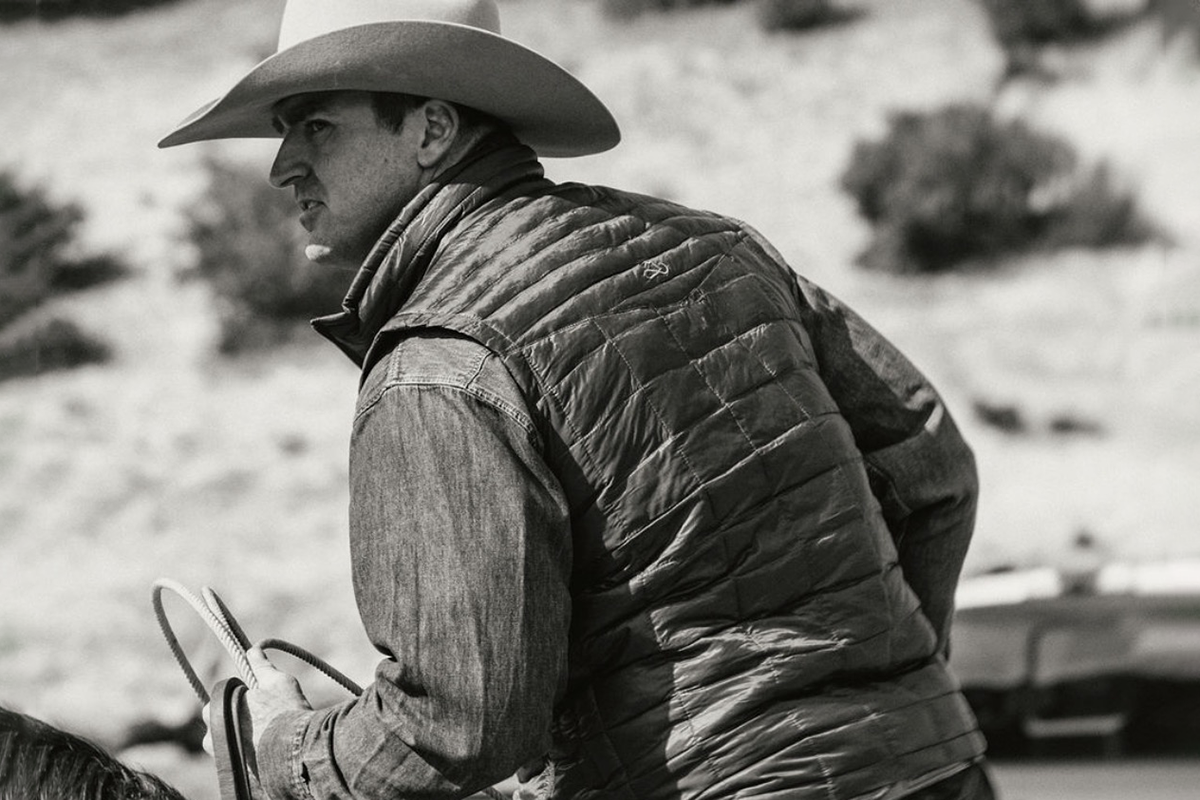
Photo courtesy of Bear Pascoe
Bear Pascoe has spent his career in two industries that demand everything.
One is the NFL—the highest stage of professional football, where every rep is earned and nothing is given. The other is rodeo, where the margin between success and setback can be razor thin, and the next opportunity is always just a few miles down the road.
Bear knows elite pressure. He knows what it feels like to chase a dream from childhood and carry it all the way to the biggest moment in sports. But when he looks back at the road that brought him there—from a cattle ranch in California to a Super Bowl win, and back into the Western industry—his definition of success doesn’t center around a trophy.
It centers around mindset. Purpose. And the people who helped him become who he is.
Because as Bear puts it, “life’s a team sport.”
A Dream and a plan
Bear grew up in the Western industry, raised on a cattle ranch in California where hard work wasn’t something you talked about. It was something you did.
But even from a young age, he was drawn to football. Not casually. Completely.
“People ask me all the time, ‘when did you know you wanted to play in the NFL?’” Bear says. “I go back to my earliest recollection of watching football, sitting on the floor, and thinking, ‘I want to play there someday.’”
And once he set that vision, he committed to it.
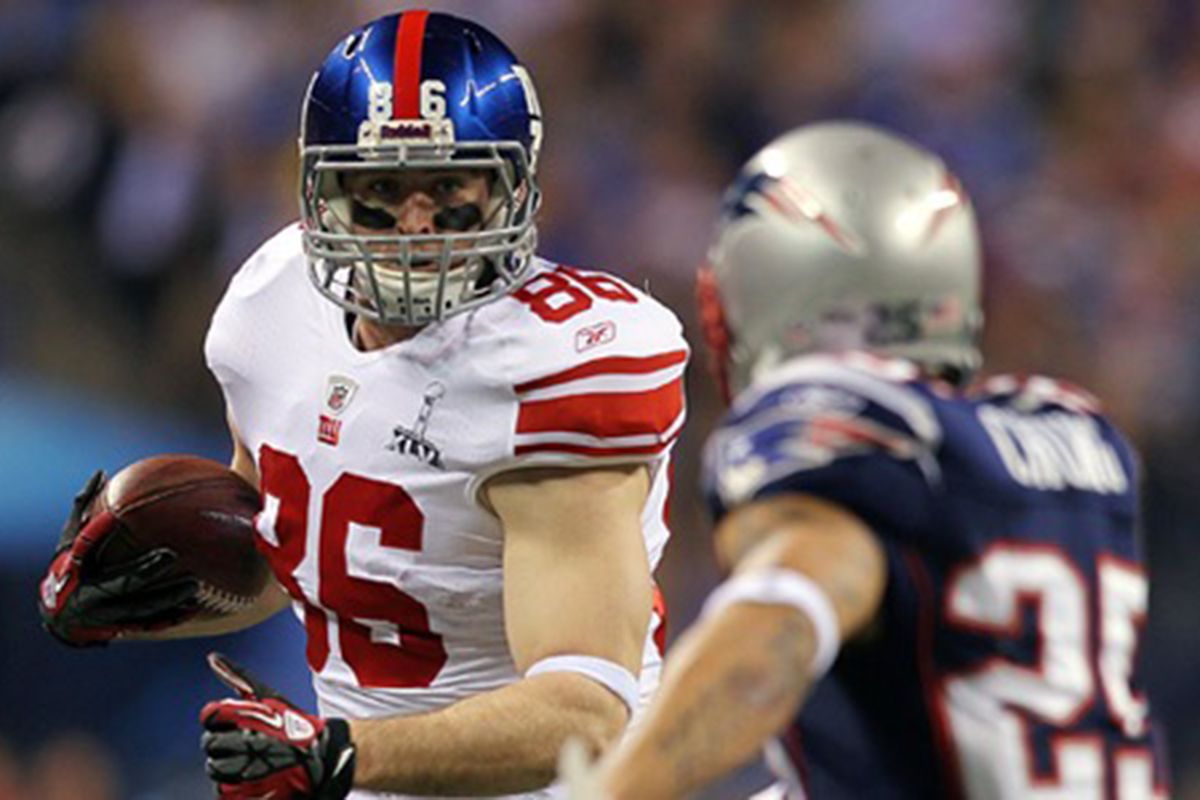
Photo courtesy of Bear Pascoe
“That’s what I dedicated my life to,” he explains. “Being a football player.”
That kind of clarity isn’t common—and it isn’t easy. But for Bear, it became the foundation for everything that came next.
The Power of a Positive Mindset
Even with talent and determination, there are moments in every athlete’s journey where things don’t unfold the way they imagined. The pressure builds. Doubt creeps in. Confidence wavers.
Bear doesn’t pretend those moments don’t exist. Instead, he talks about what changed things for him: learning to shift the way he spoke to himself.
He describes a season where he intentionally adopted a different mindset—one rooted in gratitude and possibility instead of dread.
“I started having the mindset of ‘I get to go to practice,’” he says. “I get to step out on the field with the best athletes in the world and get better.”
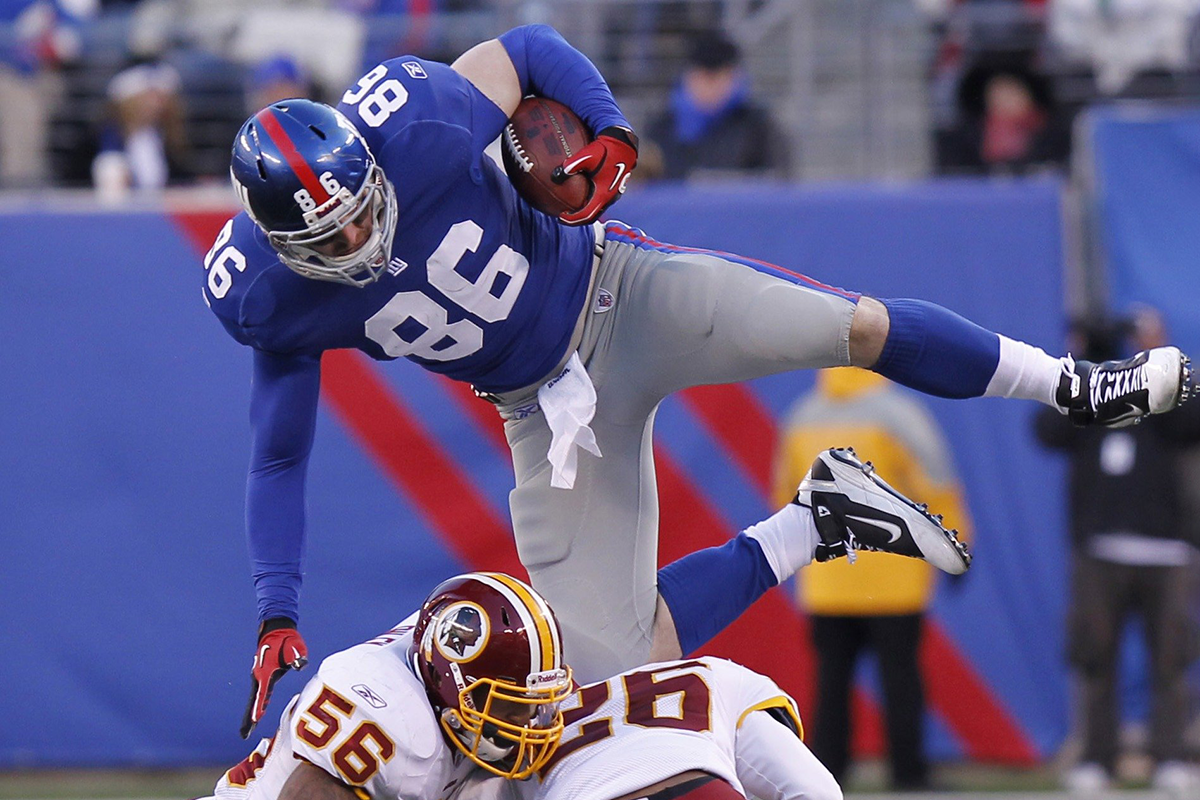
Photo courtesy of Bear Pascoe
That shift from obligation to opportunity didn’t just improve his mood. It helped him show up differently. Train differently. Connect differently.
“And slowly things started to turn around,” Bear says.
It’s a lesson that transfers directly into rodeo, where an athlete’s mindset can be the difference between staying in the fight or mentally checking out before they ever back in the box or crawl into the chute.
Bear puts it simply: a positive mindset isn’t something you “have” or “don’t have.” It’s something you work for.
“You always have to keep working at that positive mindset because there’s so much negativity in the world,” he explains. “It’s really something that you have to be conscious of.”
No Plan B
In rodeo—and in life—there’s a temptation to keep options open or to create an exit door “just in case.” Bear believes the mindset of backup plans can quietly become a barrier to real commitment.
“If you give yourself that out, you’re always going to be looking for it,” he explains.
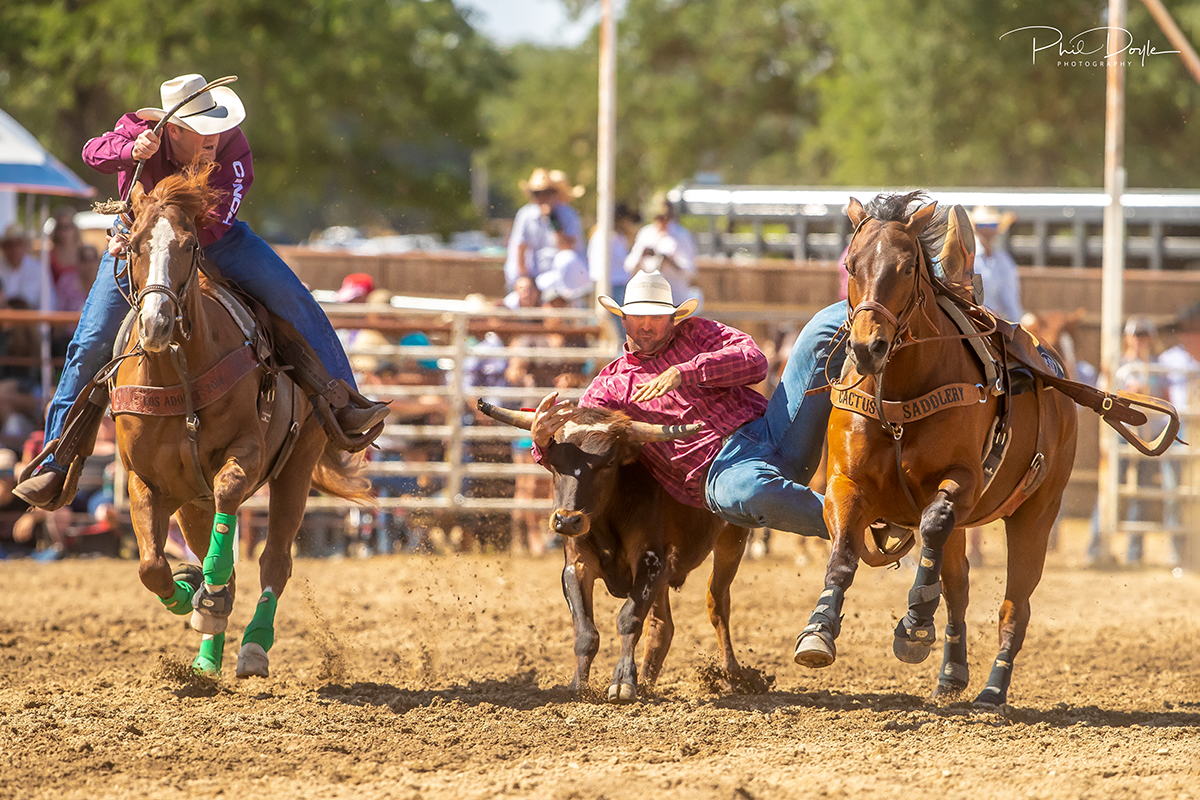
Photo courtesy of Bear Pascoe
It’s an honest insight, especially for athletes who live in a world of what-ifs. What if you get hurt? What if the season doesn’t go your way?
But Bear’s approach is steady and direct: if you want to build something real, you have to keep your eyes forward.
“If you really want to go attack a goal and be successful, you need to have that laser focus,” he says. “Looking straight ahead and staying the course.”
That kind of focus is powerful—but it can also be isolating if you try to carry it alone.
The Army Behind the Athlete
Like many pro athletes, Bear’s story includes championships, major transitions, and career pivots that would be overwhelming without support. When asked how he mapped out such a clear path—football, Super Bowl, then rodeo—his answer isn’t about luck.
It’s about faith, mindset, and the people around him.
“It’s a lot of faith, positive mindset, and just being determined to go do it,” he says.
And then he adds what may be one of the most important truths for athletes in any sport:
“I had a great team around me as a young man growing up,” Bear shares.
He credits his wife, his family, and his friends not just for his football success, but for his transition into rodeo as well—learning new skills, building confidence, and staying grounded through change.
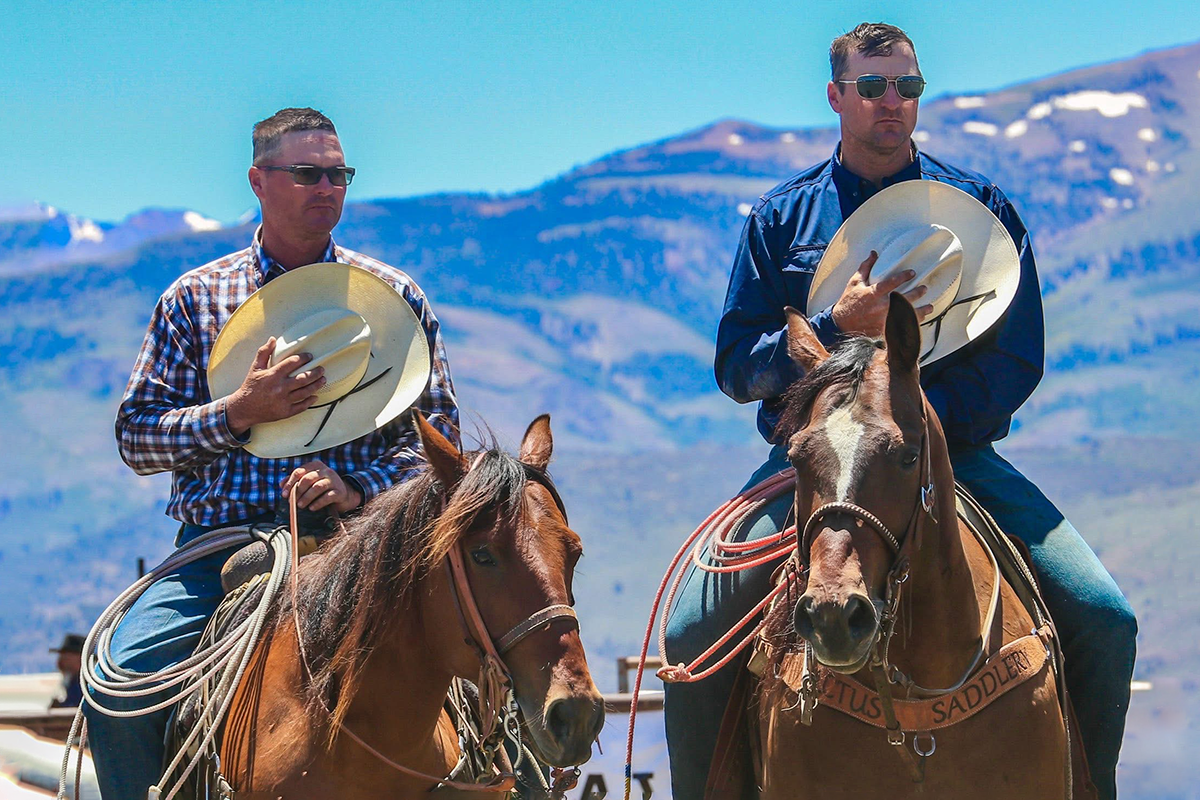
Photo courtesy of Bear Pascoe
“I have a great team and family,” he says. “It’s one of the main points of my success, just having that amazing team around me.”
That’s a message rodeo athletes need to hear more often.
Rodeo can look like an individual sport from the outside—one rider, one horse, one run—but behind every athlete is a network of people helping them hold it together: families, coaches, traveling partners, mentors, friends, and the ones who notice when something feels off.
Support doesn’t make an athlete weak. It makes them sustainable.
Playing the Long Game
Bear’s mindset isn’t just about winning. It’s about staying consistent. Showing up when it’s hard. Getting better over time. And keeping the bigger picture in view.
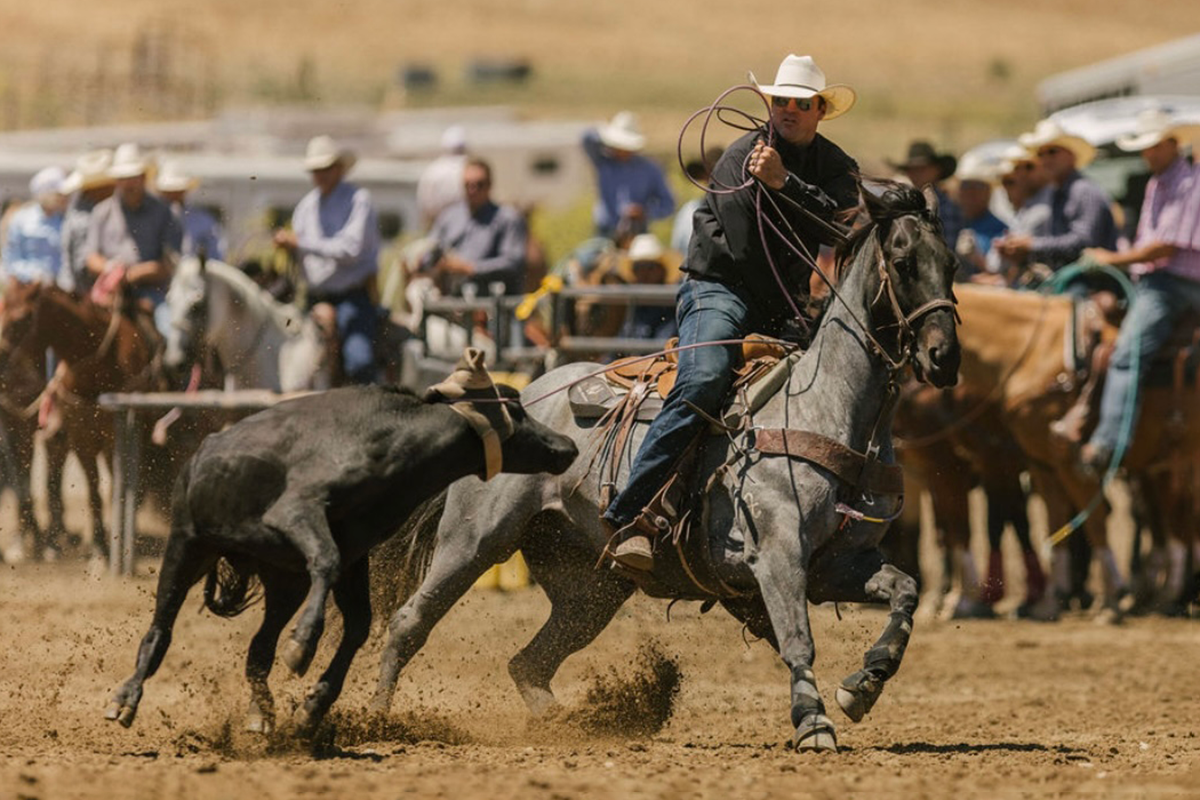
Photo courtesy of Bear Pascoe
At Western Sports Foundation, we believe that kind of perspective is essential—not just for performance, but for life beyond the arena.
Caring for the whole athlete means recognizing that success is rarely built alone. It’s built through community, resilience, and support systems that help athletes stay steady even when the season gets heavy.
Bear’s advice for young athletes reflects all of it:
“Have a plan,” he says. “Develop a strong team around you—because life’s a team sport—and love the process.”
It’s simple. But it’s not small.
And for athletes chasing big goals in demanding environments, it might be exactly what they need to hear.