
The Long Game: TJ Gray on Recovery and Resilience
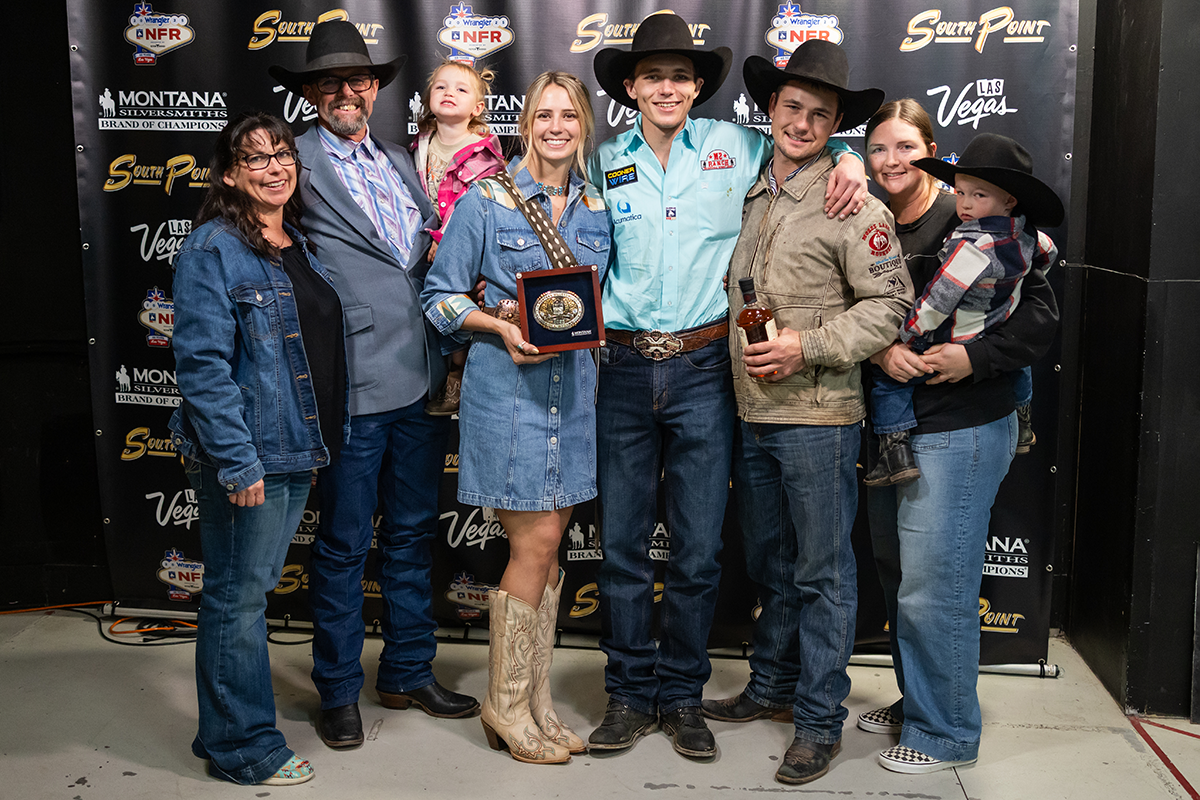
TJ Gray with his family and supporters after winning a round at the 2025 National Finals Rodeo.
TJ Gray doesn’t shy away from pressure. The reigning average champion at the 2025 National Finals Rodeo knows what it means to perform under the brightest lights in rodeo—and what it takes to sustain a career long after the buckles are handed out. But when the dust settled in Las Vegas, TJ made a decision that had nothing to do with standings, scorelines, or momentum.
He chose to pause.
Not because he had to, but because it was the right thing to do.
In a sport where toughness is often measured by how much pain an athlete can push through, TJ’s choice to undergo surgery on an old ankle injury that just wouldn’t heal immediately after the NFR was a deliberate pivot toward long-term health. It’s a decision rooted in experience, self-awareness, and a growing understanding that success in rodeo isn’t just about riding bulls. It’s about staying whole enough both mentally and physically to keep showing up.
The Quick Fix vs. the Correct Fix
“A lot of times, as rodeo cowboys, we do the quick fix, not the correct fix, for injuries,” TJ shares.
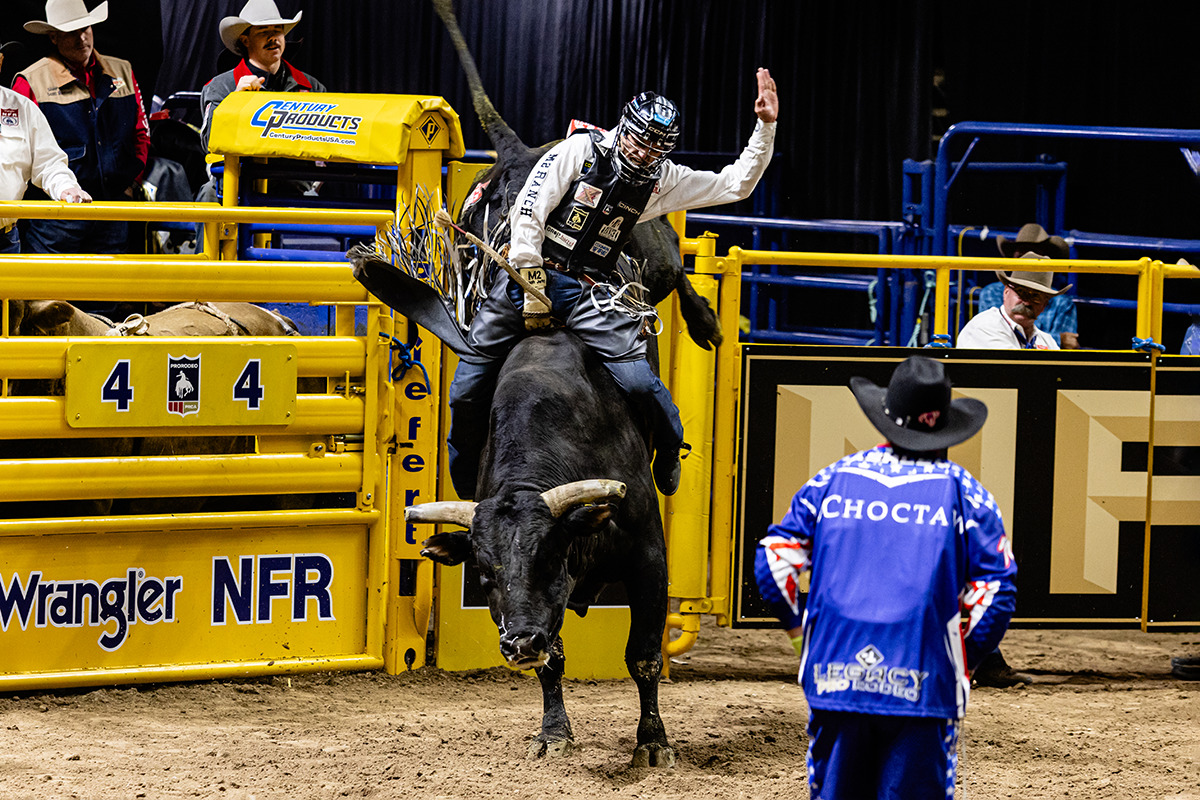
Like many rodeo athletes, TJ has lived the cycle of patching things up just enough to get back on. Over the years, he’s dealt with injuries that demanded attention—but the rodeo road doesn’t often allow for full recovery. There’s always another entry deadline, another rodeo, and another chance to make money.
This time, he chose the long game strategy.
“I knew that taking six weeks off at the beginning of the year wouldn’t be that detrimental to my 2026 season,” he says. “I knew that if I got it fixed now, it would save me some headache in the long run.”
It’s a pragmatic assessment, but it also reflects something deeper: the ability to step back without letting fear or urgency dictate the decision. For TJ, surgery wasn’t a setback. It was an investment.
Learning to Step Away Without Losing Yourself
For many athletes, time off can be harder mentally than physically. When performance is tightly woven into identity, stepping away can stir doubt, frustration, and self-judgment.
TJ knows that feeling well.
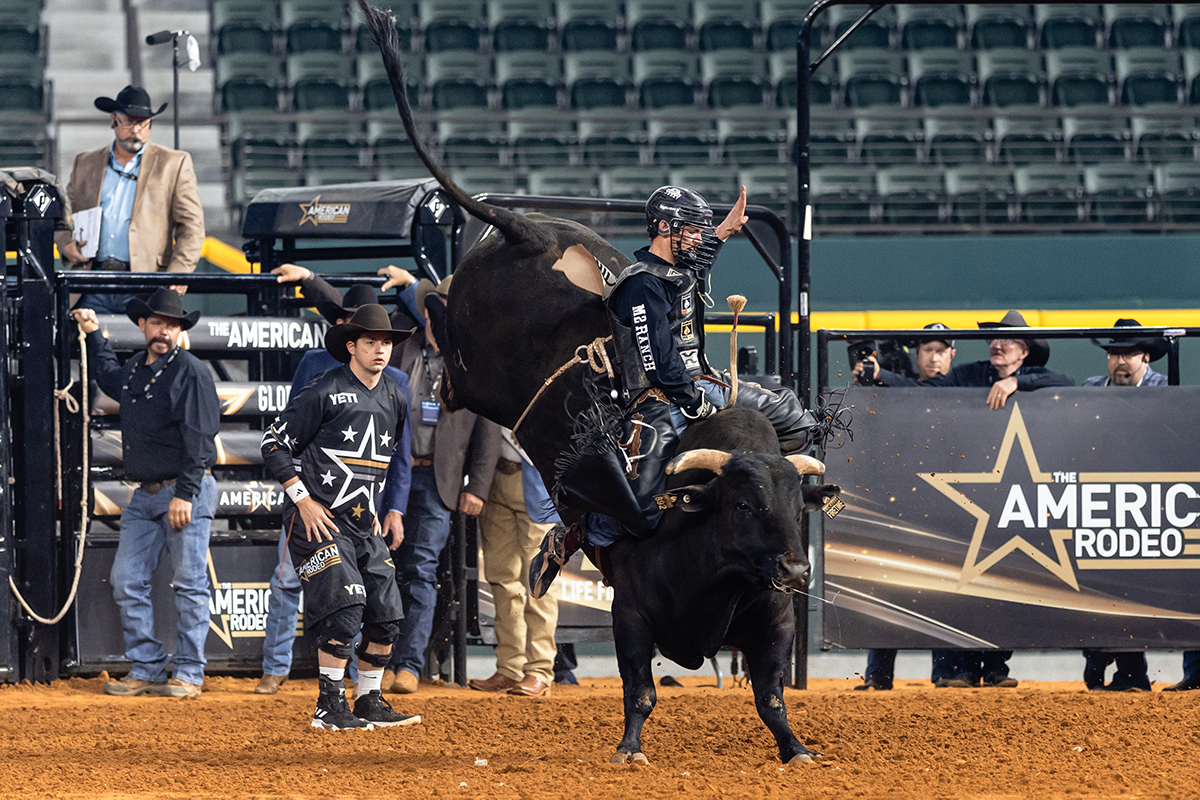
After returning from a broken ankle last season, he went through a stretch where things didn’t click. Bulls he expected to ride sent him to the ground. Confidence wavered. And the internal dialogue shifted.
“Sometimes when we’re rodeoing and we’re not doing good, we think of ourselves as bad people because of it,” he admits. “I saw myself as a top-tier bull rider, and I wasn’t showing it. I wasn’t staying on, and for some reason that made me feel like I was a bad person.”
That weight coupled with the underlying belief that performance equals worth is something many athletes carry, even if they never say it out loud.
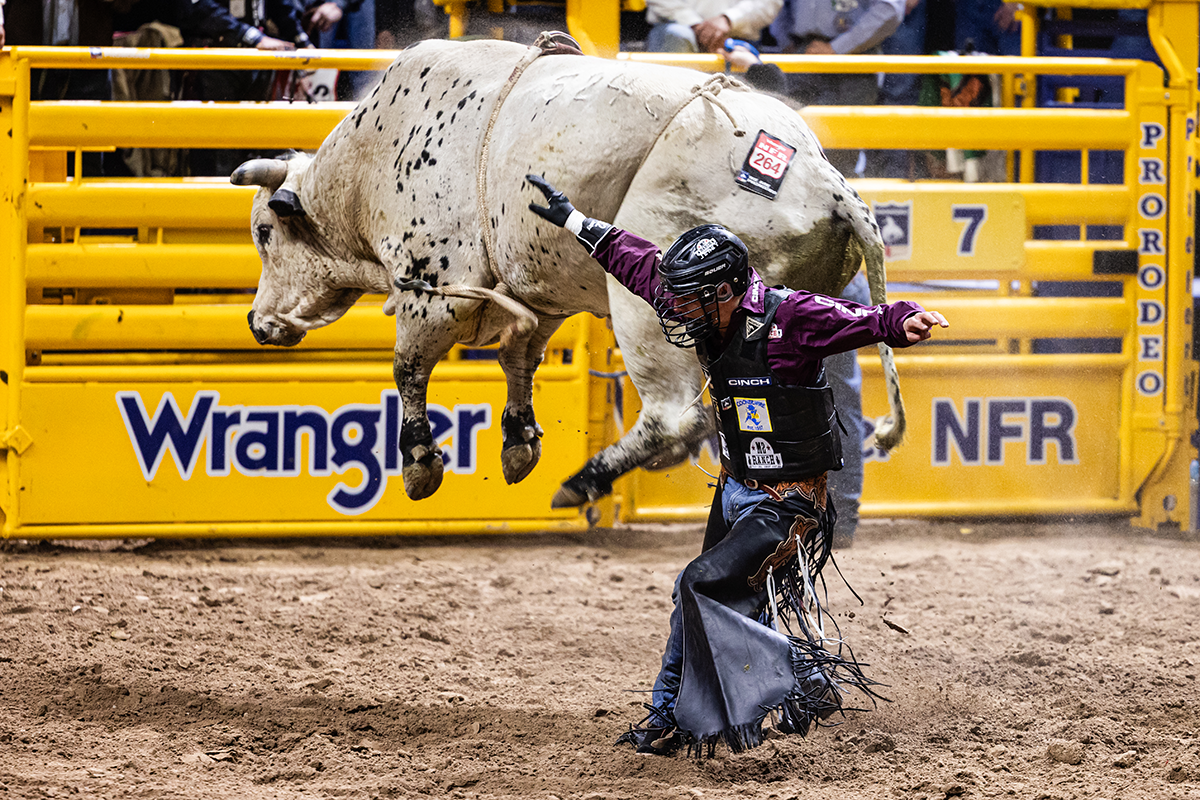
Through conversation, prayer, and reflection, TJ began to separate results from identity.
“We serve a very gracious God,” he says. “God is not mad at me because I’m falling off bulls.”
That realization didn’t just change how he handled a slump. It changed how he approached recovery, setbacks, and the idea of stepping away from competition.
Confidence Built Over Time
TJ’s growing comfort with making intentional decisions didn’t happen overnight. It came with hard-earned experience and years of chasing this dream.
His first trip to Las Vegas in 2024 brought nerves and pressure that caught up with him, as with many rookies. The second time around, something shifted.
“The more time you spend getting on in high-pressure situations, the better you learn how to deal with them,” he says. “Coming into the 2025 [National Finals Rodeo], I had more confidence. I’d been there, got the nerves out, and I was just ready to have some fun and get on a lot of bulls.”
That mindset paid off. TJ closed out the NFR with three round wins, the Top Gun Award, and the average championship—accomplishments built on consistency rather than urgency.
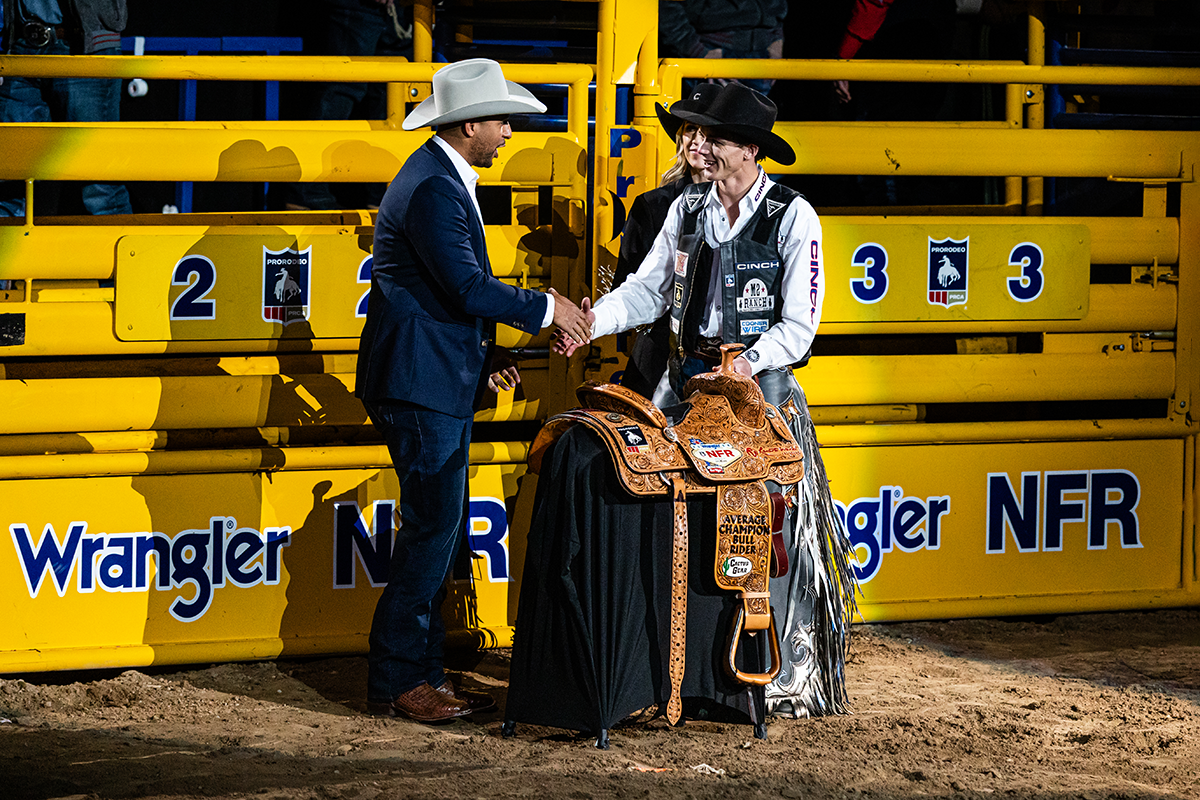
TJ earned the bull riding average title at the 2025 National Finals Rodeo.
It’s the same mindset guiding his recovery now.
Planning Is Part of the Sport
Unlike other pro sports, rodeo doesn’t come with a team of admins, trainers, or coaches making decisions behind the scenes. Athletes plan their own seasons, manage their own travel, and decide when to push and when to pull back.
That responsibility, TJ believes, is part of what separates good careers from great ones.
“Planning your rodeo season is part of rodeoing,” he says. “It’s not just jumping on and riding bulls. You’ve got to know when to rodeo hard and when to take a break.”
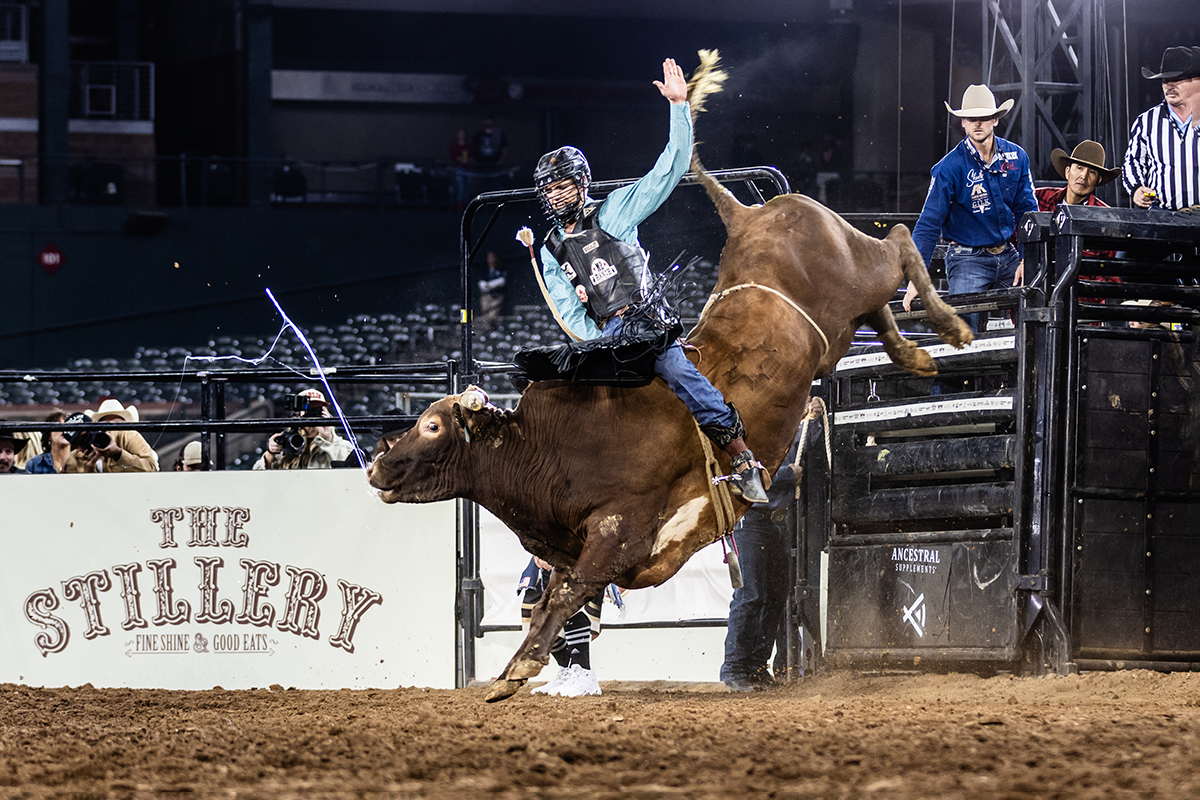
For TJ, choosing surgery after the NFR was part of that plan. TJ expects to return to competition in the coming weeks, healthier than he’s been in over a year.
“I’ll probably be in the best health I’ve been in in a long time,” he reveals. “And I’m excited to see what that’s like.”
A Reset, Not a Retreat
Time away from competition has given TJ space not just to heal, but to reset.
“A good little reset makes you crave it again,” he explains. “By the end of the year, there’s a lot of miles and a lot of ups and downs. Sometimes you forget to enjoy the little things.”
Rather than dulling his edge, recovery has sharpened it. TJ is eager to return, not out of pressure, but out of purpose. For rodeo athletes, that distinction matters.
Choosing the correct fix isn’t always the easiest path. It can feel uncomfortable, risky, or even countercultural in a sport built on grit. But as TJ’s journey shows, longevity requires more than toughness. It requires perspective.
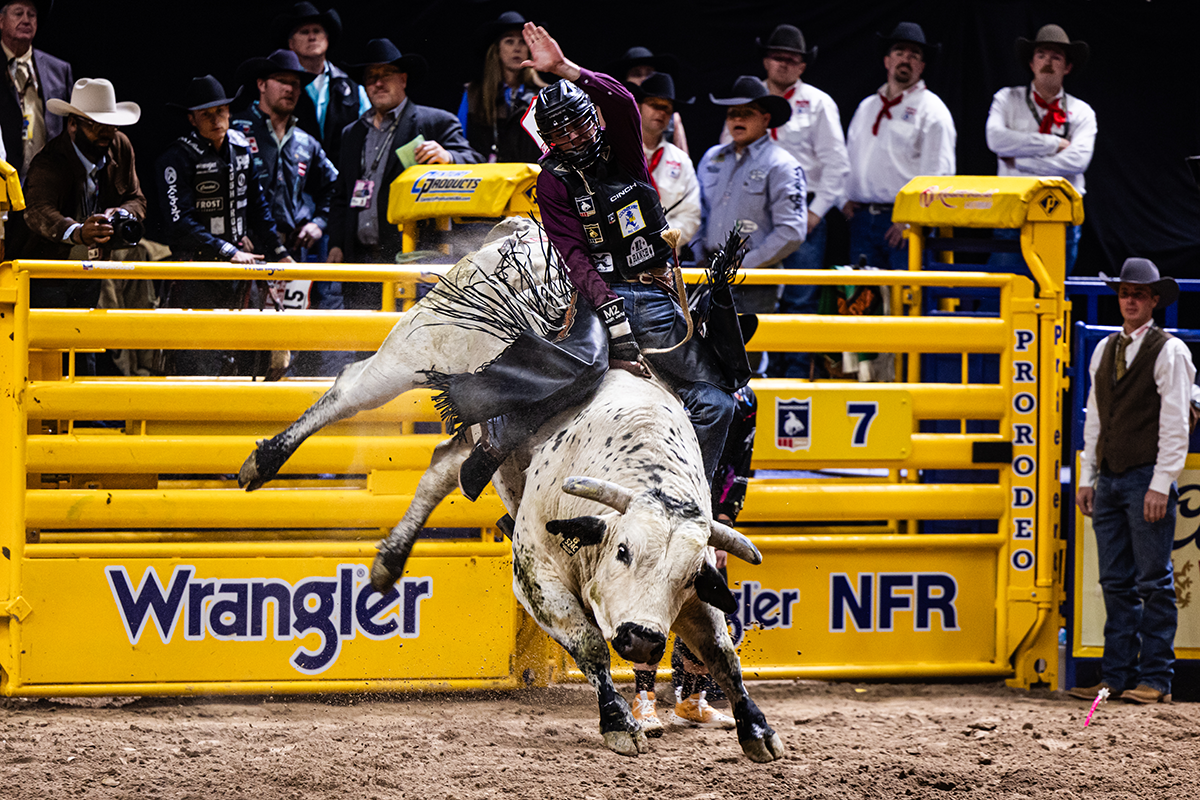
At Western Sports Foundation, supporting athletes means recognizing that decisions like prioritizing health, addressing injuries fully, and caring for mental well-being are essential to life in and out of the arena.
Because the strongest careers aren’t just built on rides. They’re built on knowing when to press pause, so you can continue stronger.