
When Tough Isn’t Enough: Dustin Martinez’s Story of Mental Health and Moving Forward
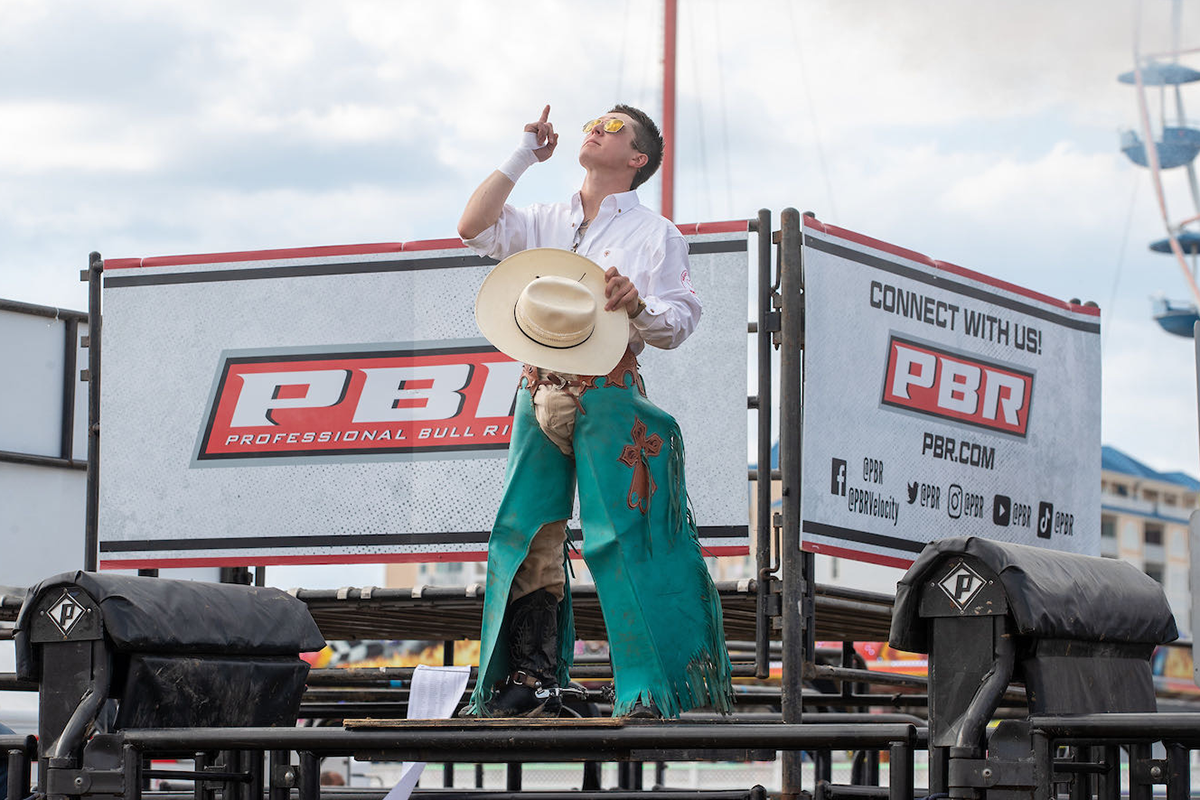
Photo by Andre Silva/Bullstock Media, Courtesy of Dustin Martinez
There’s a version of toughness that gets celebrated in rodeo.
It’s the one that gets back on. The one that doesn’t flinch. The one that doesn’t say much, even when something’s wrong.
For a long time, that version worked for Dustin Martinez.
It built his career. It carried him through injuries. It kept him moving forward.
Until it didn’t.
What changed wasn’t one moment or one wreck. It was a slow accumulation of small things that didn’t quite go away, recovery that took longer than it used to, and a feeling that something wasn’t the same.
“I know my body well enough,” Dustin says. “It’s not bouncing back like it used to.”
That realization didn’t make him less tough. It just forced him to define what tough actually means.
Raised in It
Dustin didn’t grow up choosing rodeo. He grew up living it.
Born in New Mexico and raised between there and Oklahoma, his world was shaped by the kind of lifestyle where work and identity aren’t separate things. His dad rode bulls. His family ran cows. Rodeo wasn’t an interest—it was part of the rhythm of everyday life.
Some of his earliest memories involve sitting in a living room, strapped into a car seat, watching old rodeo tapes.
“I pointed at the TV and said, ‘I want to do that,’” Dustin recalls.
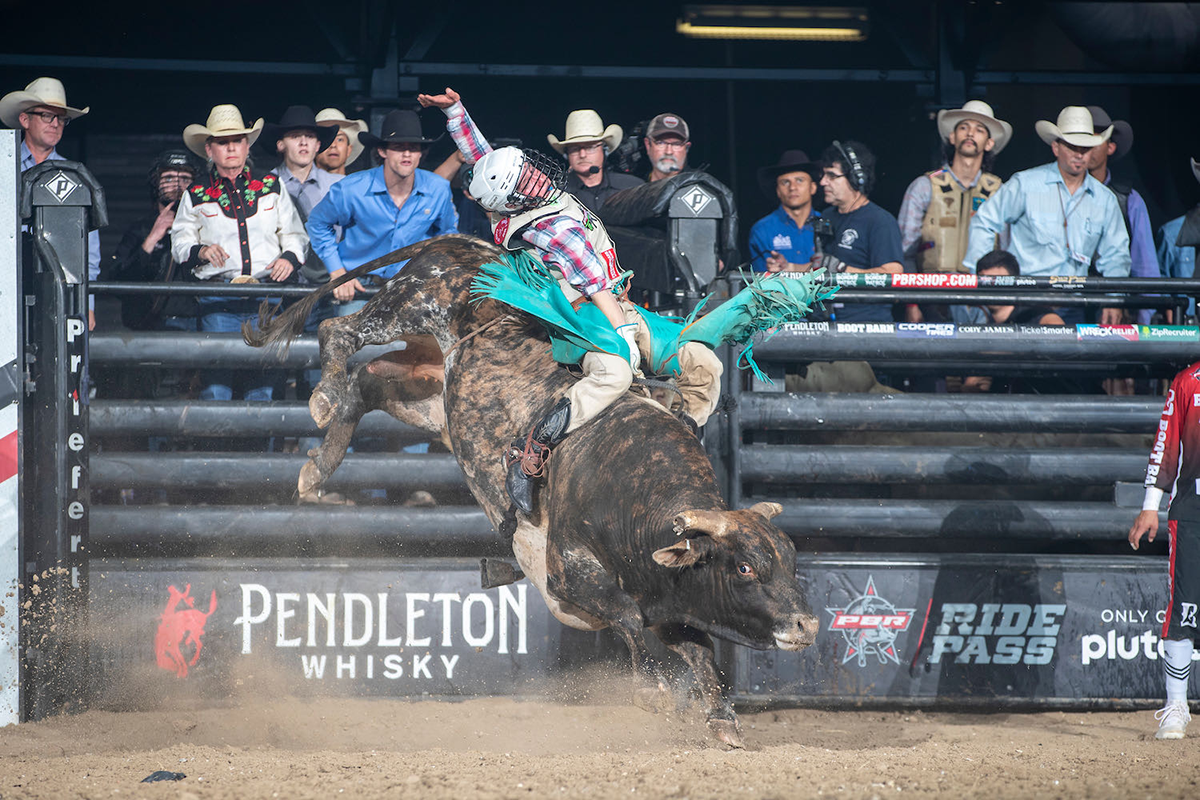
Photo by Andre Silva/Bullstock Media, Courtesy of Dustin Martinez
From there, everything followed the usual progression—sheep, steers, junior bulls, high school rodeo, then college at Oklahoma Panhandle State University. Like most athletes in the Western space, he built his career with miles on the road, entry fees, small wins, and a lot of trial and error.
By the time he stepped into the professional ranks, competing in PRCA rodeos and PBR events, he wasn’t trying to figure it out anymore. He was in it.
And for a while, it was working.
The Part Nobody Talks About
Bull riding demands everything physically. That’s understood.
What doesn’t always get talked about is how the damage builds—especially when it comes to the brain.
Concussions weren’t new for Dustin. They’re part of the job. What changed was how his body handled them.
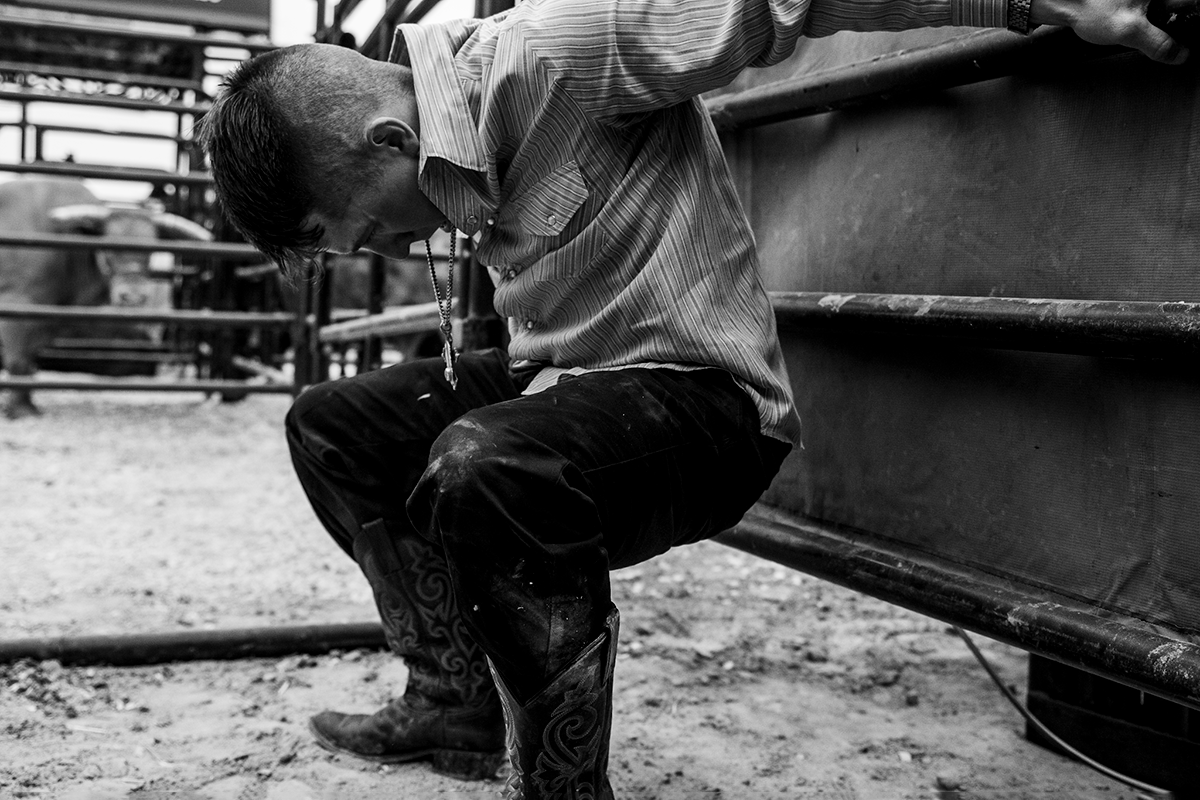
Photo by Brandon Cangro, Courtesy of Dustin Martinez
Recovery started taking longer. Symptoms stuck around. Hits that once felt routine started leaving a different kind of impact.
“I started noticing my recovery time wasn’t what it used to be,” he says. “And it was taking less to get me rattled.”
Earlier in his career, after a serious concussion, doctors told him his reaction time had slowed enough to be concerning. With rehab and support, he was able to recover and keep competing.
At the time, it felt like a reset. Looking back, it was more like a warning.
When the Game Starts to Change
The sport itself has evolved.
There’s more structure now: concussion protocols, better access to care, and more awareness around mental performance and brain health. It’s still rodeo, still tough, but there’s a growing understanding that longevity depends on more than just grit.
Dustin saw both sides of that shift.
He came up in a culture where you got knocked out, got up, and went again. Later, he experienced what it looked like to actually take care of his body and mind—and how much that changed his performance.
“I had the best season I’d had,” he says of 2024, after working consistently with a sports psychologist. “It was one of those years where it was hard to throw me off.”
That version of him—focused, steady, confident—didn’t come from pushing harder.
It came from doing things differently.
The Signs You Can’t Ignore
Toward the end of his career, things shifted again.
Not in a dramatic, obvious way. In quieter ways that followed him outside the arena.
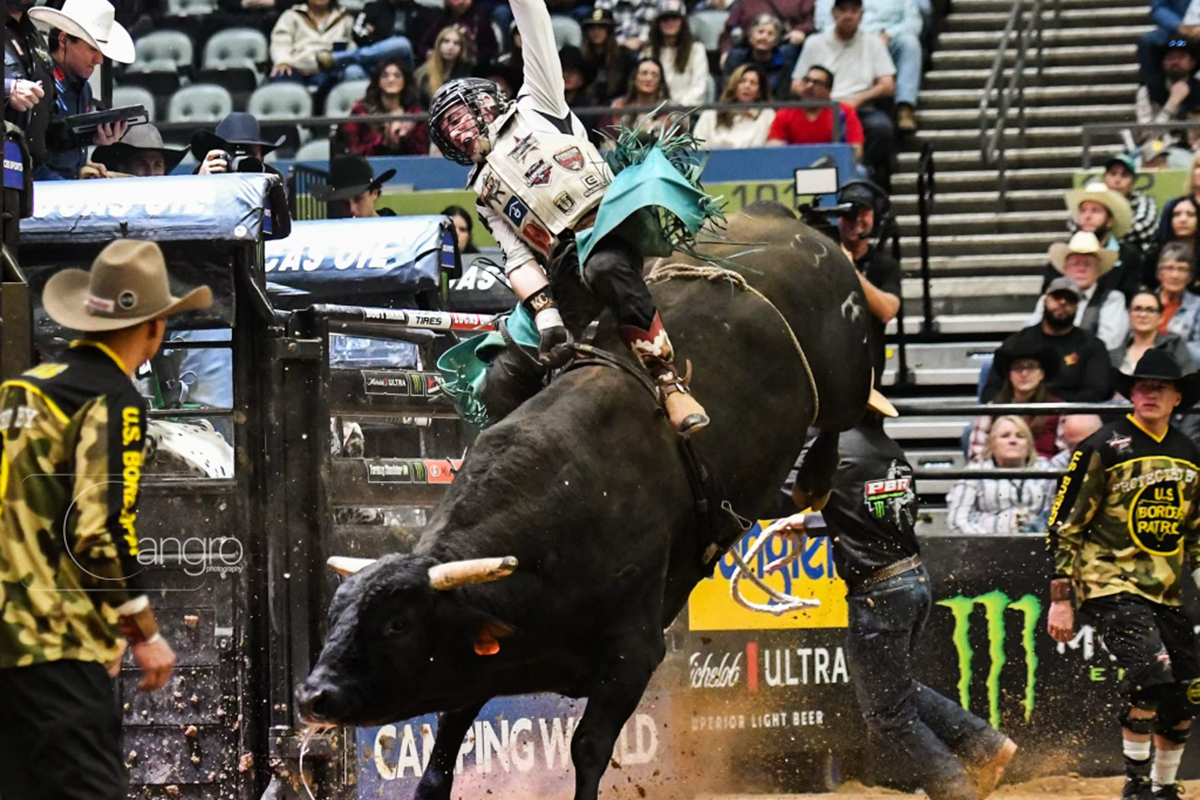
Photo by Brandon Cangro, Courtesy of Dustin Martinez
Balance issues. Vision problems. Dizziness. Recovery that stretched longer each time.
“I started noticing symptoms that weren’t going away,” he says.
At 29, he’s still physically capable of riding. But that wasn’t the question.
The question was what it would cost to keep going.
“I could still be getting on bulls,” he says. “But I know what I’m feeling.”
It wasn’t fear. It was awareness.
And that’s what made the decision harder.
Losing More Than the Ride
Stepping away from competition rarely happens in a vacuum.
For Dustin, it came with a series of life changes—moving, buying a place, and the end of a relationship he expected to lean on as everything else shifted.
“The last six months… it’s been really tough,” he says. “That was one of the lowest points I’ve been in.”
Rodeo had always been the constant. When that changed, everything else felt less stable too.
“You spend your whole life doing something,” he explains. “It becomes part of your identity.”
Without it, there’s space.
And space can be uncomfortable.
What Help Actually Looks Like
At that point, Dustin made a decision that doesn’t always come easy in Western sports.
He reached out.
Through Western Sports Foundation, he reconnected with a sports psychologist he had worked with before—someone who already understood how he operated as an athlete.
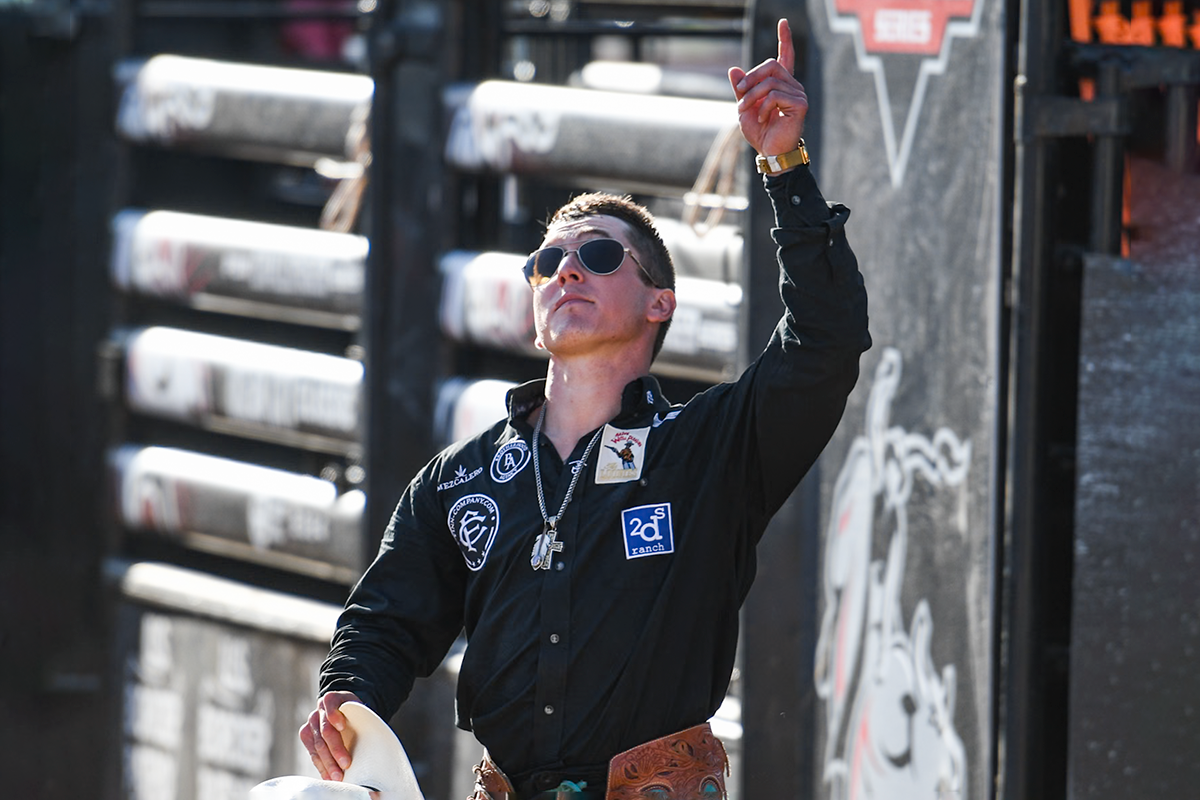
Photo by Brandon Cangro, Courtesy of Dustin Martinez
This time, the conversations weren’t about performance.
“They’ve been more like therapy,” he says. “Some days I’ll tell him, ‘I need you in therapist mode.’”
That support gave him something most athletes aren’t used to asking for: perspective.
“It helps having someone explain how your mind works—and how to make that work for you.”
WSF also helped connect him with neurological specialists for more advanced testing to better understand what’s happening with his brain.
For Dustin, it’s about clarity.
Not just for himself—but for what comes next.
Redefining What Tough Means
The biggest shift hasn’t been physical.
It’s been mental.
“My best piece of advice is to put your pride aside,” Dustin shares. “Everybody thinks. Everybody feels.”
That kind of honesty doesn’t always fit the traditional mold of a cowboy. But it’s real.
And it’s something Dustin wishes more athletes heard earlier.
“I had some guys I really look up to tell me, ‘It’s okay to talk about what you’re going through,’” he reveals. “That changed a lot for me.”
Strength, in that sense, looks different than it used to. It’s less about ignoring what’s there and more about being willing to face it.
Still in the Game
Dustin hasn’t left the sport behind. He’s just found a different role in it.
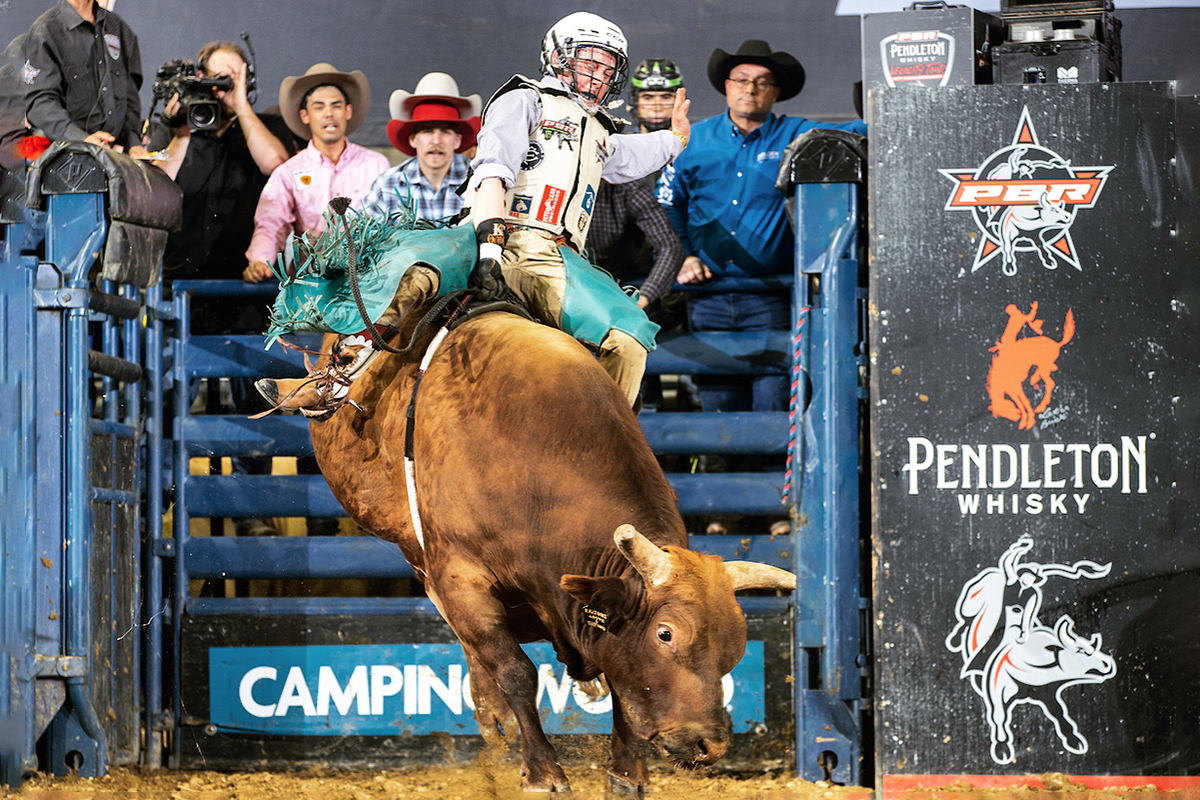
Photo by Andre Silva/Bullstock Media, Courtesy of Dustin Martinez
These days, he’s working with younger athletes, helping run clinics, and building toward certifications that will allow him to coach and mentor at a higher level. The focus has shifted from competing to contributing.
“I want to give back to the sport that gave me everything,” he explains.
That includes telling the truth about his experience—even the parts that don’t fit the highlight reel.
If there’s one thing Dustin comes back to, it’s this: Don’t wait until it gets worse.
“If something feels off, go get help,” he says.
He also talks about the importance of who you surround yourself with—people who push you, challenge you, and don’t let you settle.
Because the truth is, no one does this alone. Even in a sport built on individual performance.
“You can still be tough,” he says. “Just be smart about it.”
A Different Kind of Future
Dustin doesn’t talk about his career with regret.
He talks about it with perspective.
He got to compete at a level most never reach. He built a life around something he believed in. And now, he’s choosing what comes next with the same level of intention.
“I want to be a husband. I want to be a dad,” he says. “That matters to me.”
The decisions he’s making now about his health, his mindset, and his future are built around those dreams.
Because in the end, the goal isn’t just to last in the arena. It’s to have something left when you step out of it.
Western athletes are taught to be tough, but real longevity requires more than pushing through. It takes access to the right support at the right time, whether that’s mental performance coaching, counseling, or specialized care.
If you’re an athlete navigating challenges on or off the dirt, click here to learn more about WSF’s resources. If you believe in building a stronger future for Western sports, show your support and help make that access possible for others.