
The Mental Game: Kyler Modglin’s Journey Back to Rodeo
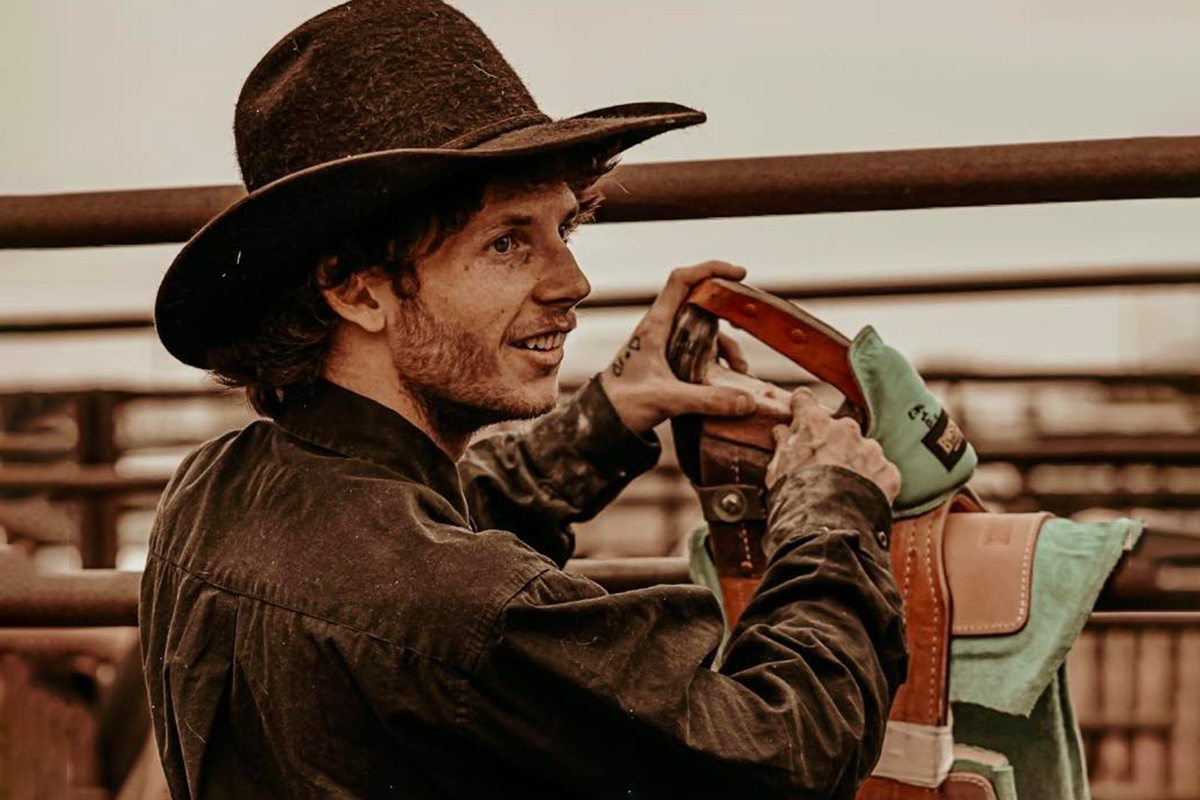
Photo courtesy of Kyler Modglin
For many rodeo athletes, the physical challenges of the sport are obvious. Broken bones, hard landings, and long miles on the road are simply part of the job.
What’s less visible—and often harder to talk about—is the mental toll that can come with those challenges.
For bareback rider Kyler Modglin, the toughest battle he faced wasn’t in the arena. It was the one happening in his own head.
At just 22 years old, the Missouri native had already experienced the highs and lows that come with chasing a rodeo career. But after a series of injuries and a frightening accident, Kyler found himself facing something he never expected: the possibility that his mind might keep him from doing the sport he loved.
Finding Rodeo at the Right Time
At 16, Kyler was struggling to find direction. Like many teenagers, he found himself looking for an outlet.
“I kind of hit a rough spot in life, and I wasn’t going down a good path,” Kyler recalls. “All my friends were rodeoing, and my dad had ridden bulls when he was younger. That’s how I found my way into it.”
He started with bull riding before eventually transitioning to bareback, arguably one of rodeo’s most physically demanding events.
The switch wasn’t easy.
Bareback riding requires a completely different style of balance and control than bull riding. Instead of sitting upright, riders must lean back and maintain precise timing with the horse’s movement.
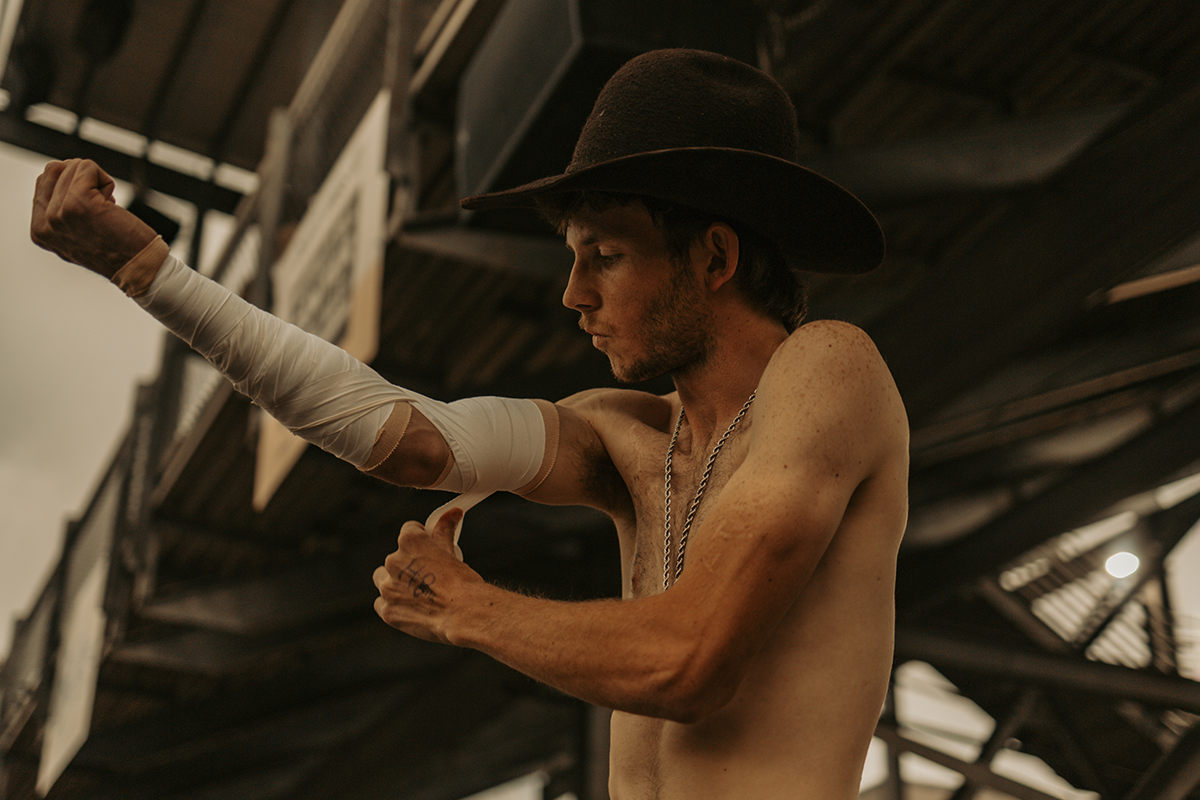
Photo courtesy of Kyler Modglin
“It took me a couple years just to figure that part out,” Kyler admits. “You think you’ve got it figured out, and then something shows you that you don’t.”
Like many young competitors, Kyler pushed through injuries and setbacks as he tried to build momentum in his career. But over time, the physical strain and the mental pressure that came with it began to catch up with him.
When Something Didn’t Feel Right
During one rodeo season, Kyler began noticing a shift in his performance.
He could ride during practice. On the spur board or the bucking machine, everything felt normal.
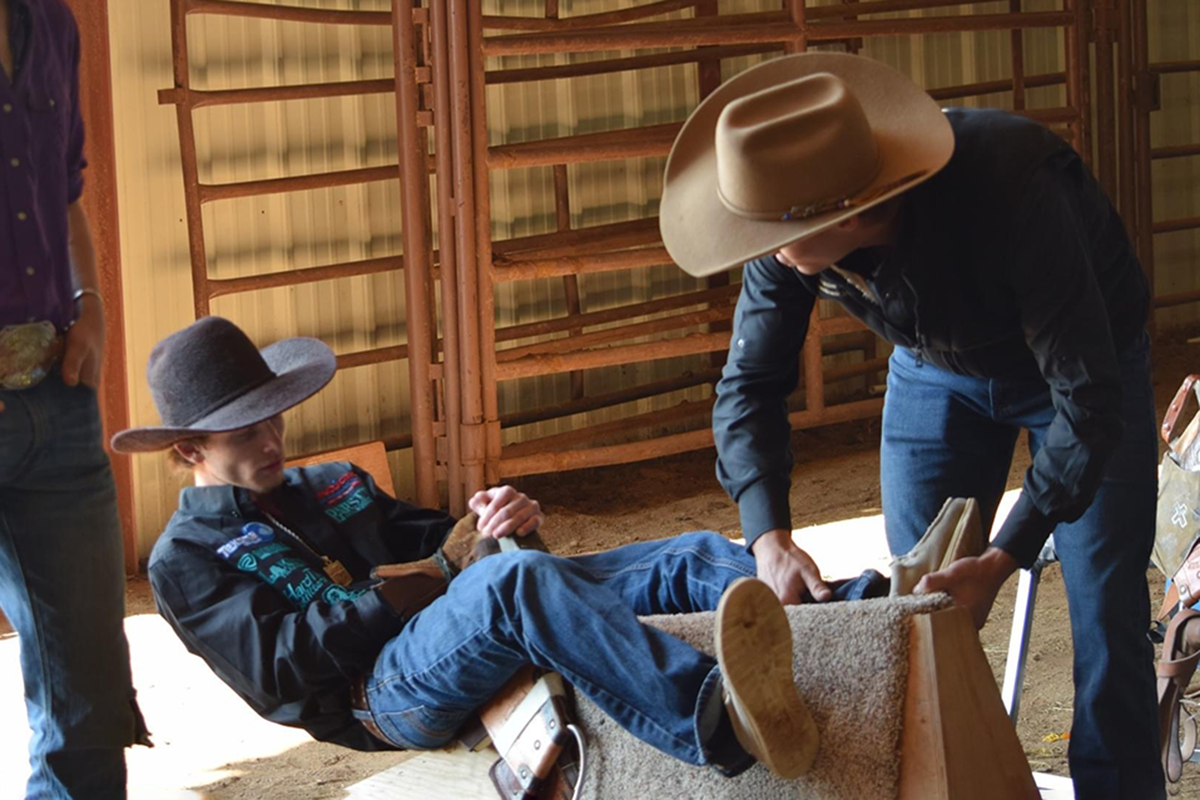
Photo courtesy of Kyler Modglin
But when it came time to compete, everything changed.
“The minute a horse came through the chute, and I put my rigging on, my mind wasn’t there,” he reveals. “There’s a difference between being nervous and being scared. Being nervous is fine. But when you're scared to the point where you're about to black out, that’s when you have to figure something out.”
Nerves are part of rodeo. Every athlete feels them.
But Kyler began experiencing something more intense: fear that was strong enough to stop him from competing altogether.
“I’d drive six hours, get up there, put my rigging on a horse, and then say ‘I don’t want to do it,’” he admits.
For a rodeo athlete, that realization can be devastating.
“It’s the worst thing you can do for yourself,” Kyler said. “If your heart is in it and your head isn’t, you’ve got to get your head right.”
The Accident That Changed Everything
In June, Kyler experienced a serious accident during an amateur rodeo in Cheyenne, Wyoming.
During the ride, he collided with the arena judge and was thrown violently to the ground.
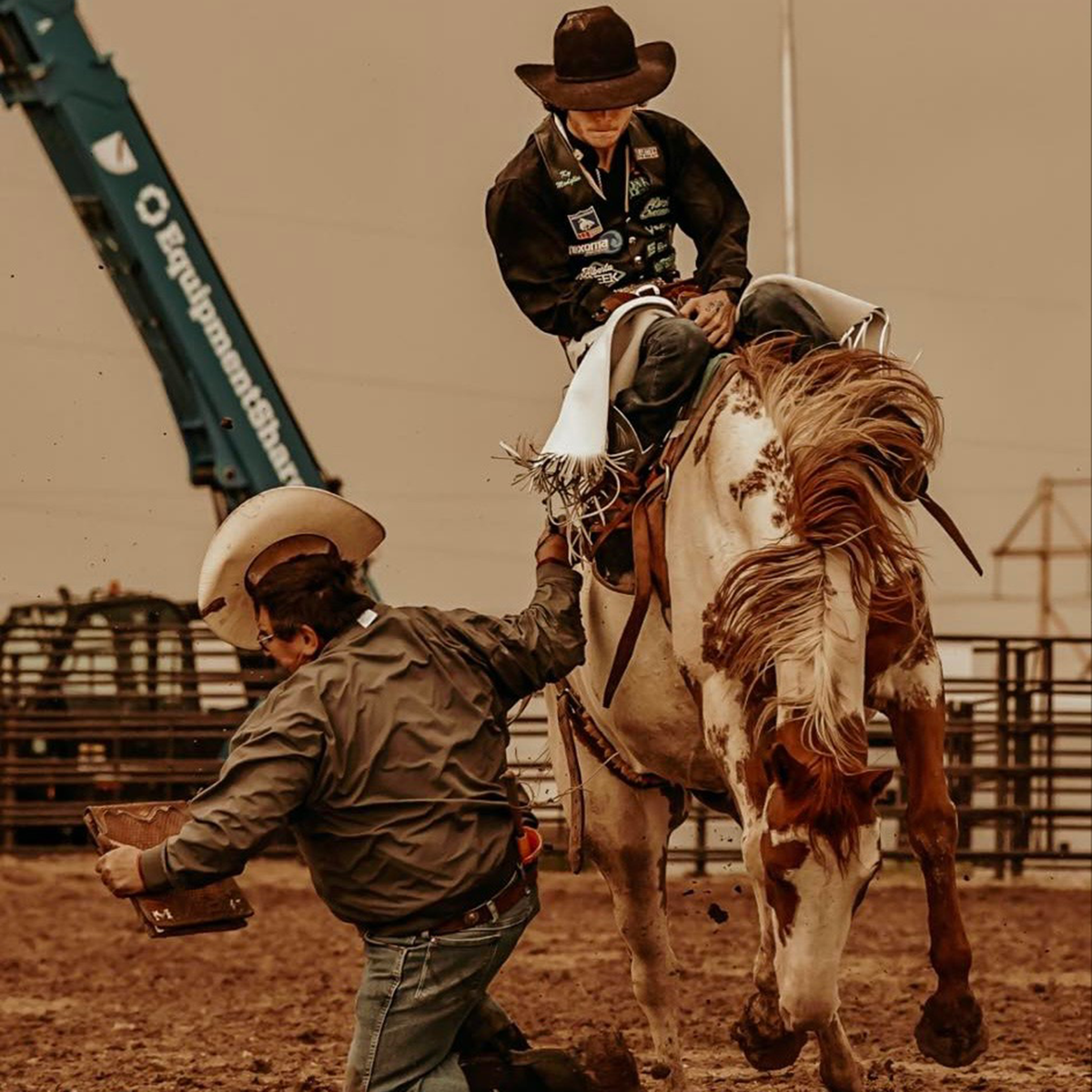
Photo courtesy of Kyler Modglin
“I landed straight on my head,” he recalls. “For a moment I couldn’t move anything below my neck.”
Although scans initially showed no major damage, the accident triggered a long series of medical issues, including headaches, vision problems, mood swings, and episodes of passing out.
Even more concerning was the mental impact.
Months of pain, uncertainty, and repeated injuries left Kyler feeling overwhelmed and disconnected from the sport that once gave him purpose.
“I was depressed,” he shares. “That’s the worst thing when you want to rodeo. You’re not happy with yourself, and it affects everything in your life.”
At his lowest point, Kyler found himself hospitalized while trying to work through the emotional and mental strain he was experiencing.
Looking back, he describes that time as one of the hardest periods of his life.
“It was the lowest I’ve ever been,” he reveals. “I thought that’s just how my life was going to be from then on.”
Reaching Out for Help
Eventually, one of Kyler’s doctors encouraged him to reach out to Western Sports Foundation.
At first, he wasn’t sure what to expect.
Like many athletes, the idea of mental health support felt unfamiliar and uncomfortable.
“I thought it was going to be like therapy where I’d just spill my heart out and somebody would give me all the answers,” he shares.
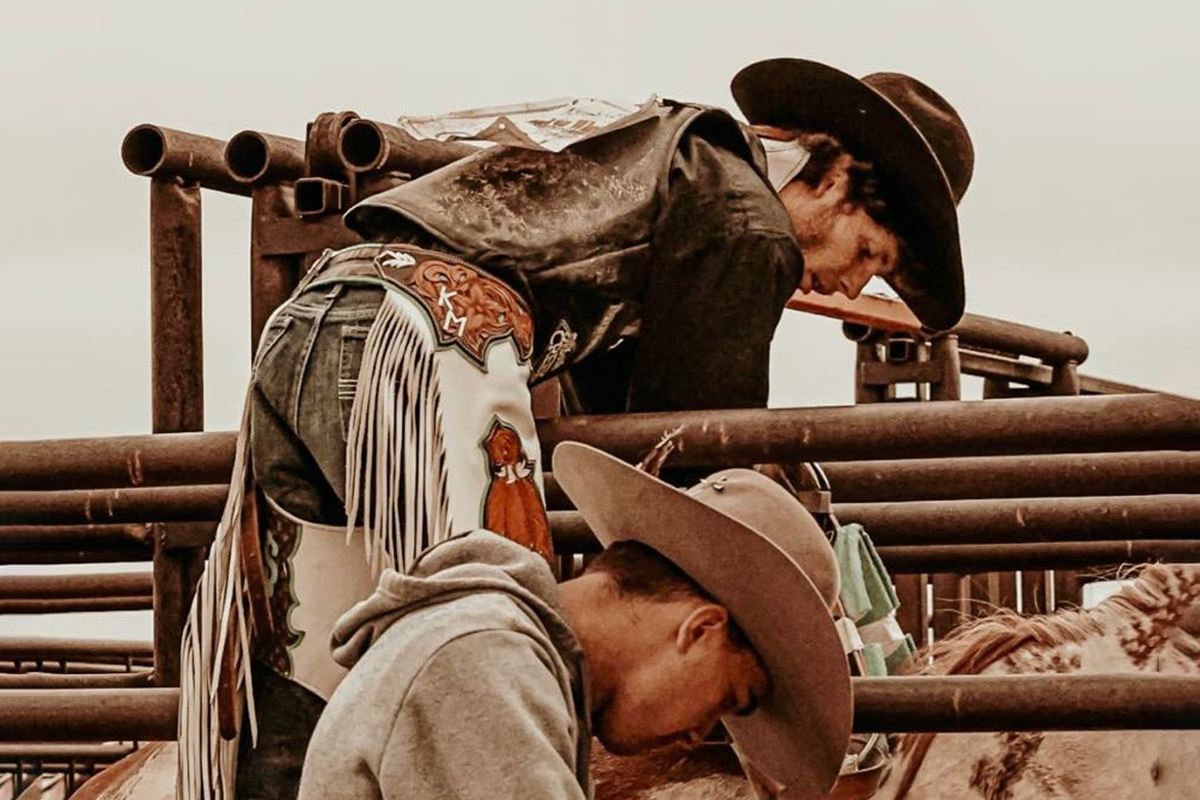
Photo courtesy of Kyler Modglin
Instead, Kyler was introduced to mental performance coach Katie Hollingsworth through WSF.
Working with Katie turned out to be one of the most impactful parts of his recovery.
“She doesn’t just give you the answers,” Kyler explains. “She makes you work for them. At the end of every session she’ll ask, ‘What are you going to do about it?’”
Through those sessions, Kyler began learning how to rebuild his confidence and understand the mental patterns that were affecting his performance.
From there, Kyler used WSF to connect with trusted therapists and neurological specialists who helped address the lingering effects of his head injury.
Together, those tools started to change the direction of his recovery.
Rebuilding the Mental Game
One of the biggest lessons Kyler learned through the process was that mental health support isn’t a sign of weakness.
“I felt weak at first,” he admits. “But having someone there to understand what you’re going through changes everything.”
Through therapy, Kyler began addressing the emotional weight he had been carrying for months. He also discovered how much easier it became when he stopped trying to handle everything alone.
“You have to let people be there for you,” he says. “You can’t push them away.”
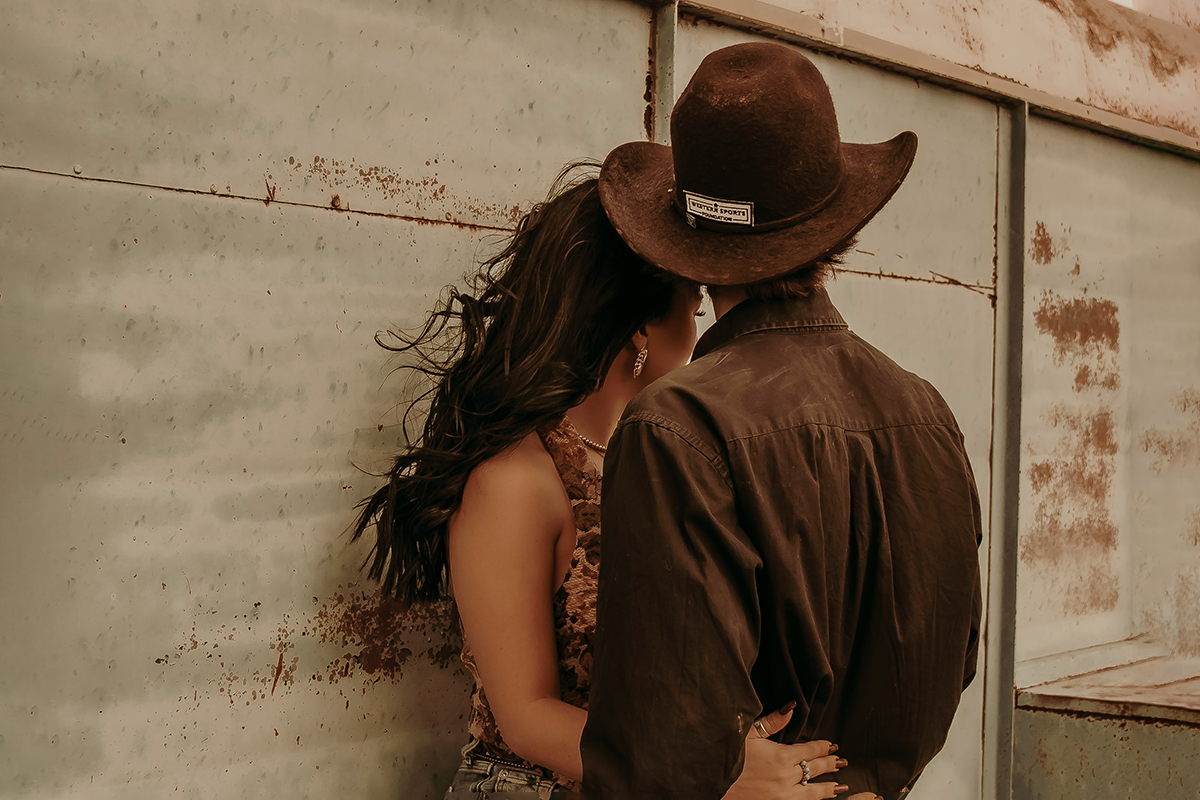
Photo courtesy of Kyler Modglin
For Kyler, that support came from multiple places: his faith, his girlfriend, his friends, and the team of professionals who helped him navigate recovery.
He credits that network with helping him find his way back.
“When I was at my lowest, Western Sports Foundation helped change my life,” he shares.
A New Perspective on the Sport
Today, Kyler is approaching the future of his rodeo career with a renewed sense of purpose.
He continues working on his mental and physical recovery while exploring the next steps in his competitive journey.
More importantly, he now understands something many athletes learn the hard way: success in Western sports requires more than physical ability.
It requires mental resilience.
“You’ve got to understand how your mind works,” he explains. “You’ve got to understand what’s happening in your head and how it affects your life.”
That awareness, he says, has changed how he approaches both rodeo and life.
A Message for Other Athletes
Kyler also hopes his experience encourages other athletes to seek help if they need it.
In a sport built on toughness and independence, asking for support can feel uncomfortable. But it can also be the step that makes the biggest difference.
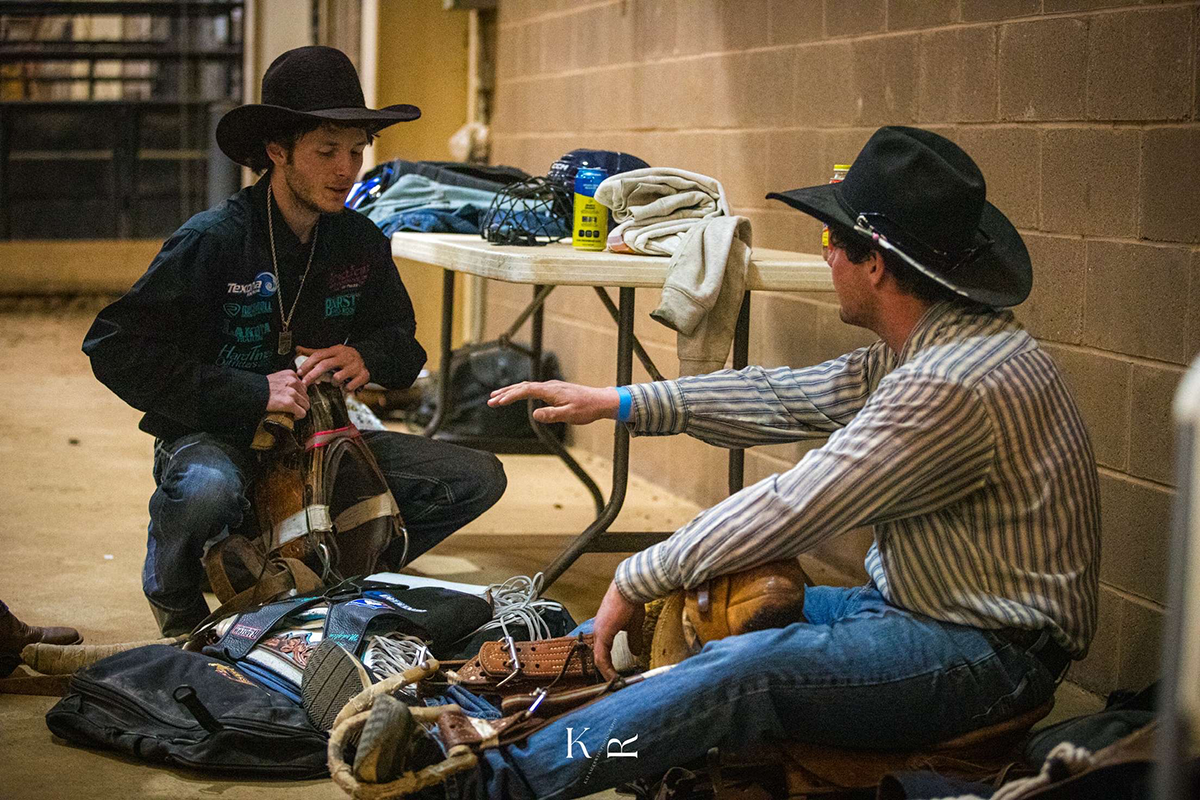
Photo courtesy of Kyler Modglin
“If you’re thinking about reaching out to WSF, try it,” he encourages. “Get out of your comfort zone.”
After all, rodeo itself is built on stepping into uncomfortable situations.
“Nobody’s comfortable getting on a bucking horse,” Kyler says. “That’s the whole point.”
For him, learning to face the mental side of the sport has been just as important as learning to ride. And in many ways, it’s the challenge that made the biggest impact.
Support WSF services that benefit Western athletes like Kyler at wsf.org/give.